Best Motion Sensor Alarms for Elderly Parents Who Wander at Night
Worried about a parent wandering? Compare the best motion sensor alarms for elderly adults to prevent midnight falls and give caregivers total peace of mind.
6/12/20266 min read


Best Motion Sensor Alarms for Elderly Parents Who Wander at Night
Quick TL;DR Summary
Motion sensor alarms provide an essential safety measure for elderly individuals who may wander at night. These alarms are designed to detect movement and alert caregivers, thereby significantly reducing the risk of accidents or episodes of wandering. For caregivers of elderly parents, integrating motion sensor alarms can be a proactive approach to ensure the well-being of their loved ones.
When selecting a motion sensor alarm, there are several critical features to consider. The range of detection is vital, as devices should effectively cover common pathways and areas of concern. Additionally, the sensitivity level of the sensors must be adjustable to accommodate various situations, ensuring that alerts are triggered accurately without false alarms. Ease of installation and user-friendly interfaces are equally important, allowing caregivers to manage the system without technical complications.
Moreover, it is beneficial to choose motion sensor alarms that are compatible with smart home technology. This integration can enhance the functionality and offer features such as smartphone notifications, enabling caregivers to monitor their elderly parents from remote locations. Such advancements provide not only safety but also peace of mind. Caregivers can rest assured knowing that they will receive immediate alerts if their loved one leaves a specified area.
The implementation of motion sensor alarms represents a step toward greater independence for elderly parents, while also allowing caregivers to maintain oversight. The peace of mind gained from knowing that these individuals are safeguarded against wandering or potential accidents is invaluable. In conclusion, motion sensor alarms are a pivotal tool in promoting both safety and reassurance in caregiving situations.
Why Floor Mats and Infrared Motion Sensors Prevent Falls
The use of floor mats combined with infrared motion sensors represents a significant advancement in home safety technologies, particularly for elderly individuals who may wander during the night. Falls can be devastating, often resulting in serious injuries. Therefore, implementing effective preventative measures is crucial in safeguarding the well-being of elderly family members.
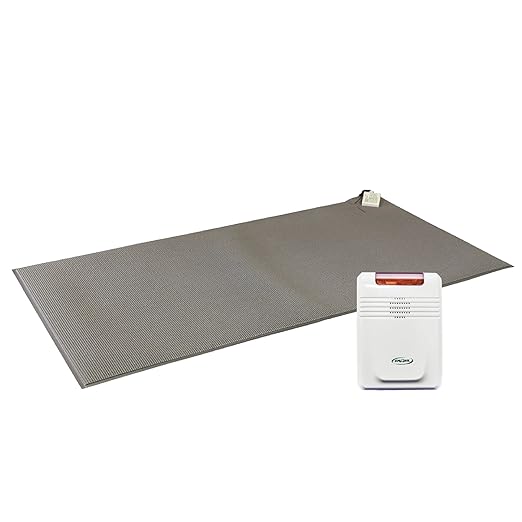
Floor mats equipped with pressure sensors can immediately alert caregivers when an elderly person steps onto them. This timely notification grants loved ones peace of mind, knowing they can respond quickly if necessary. These mats often feature a design that is both comfortable and slip-resistant, reducing the risk of falls upon getting out of bed or navigating through a dimly lit environment. The awareness provided by these mats ensures that caregivers can assess the situation effectively and intervene whenever required.
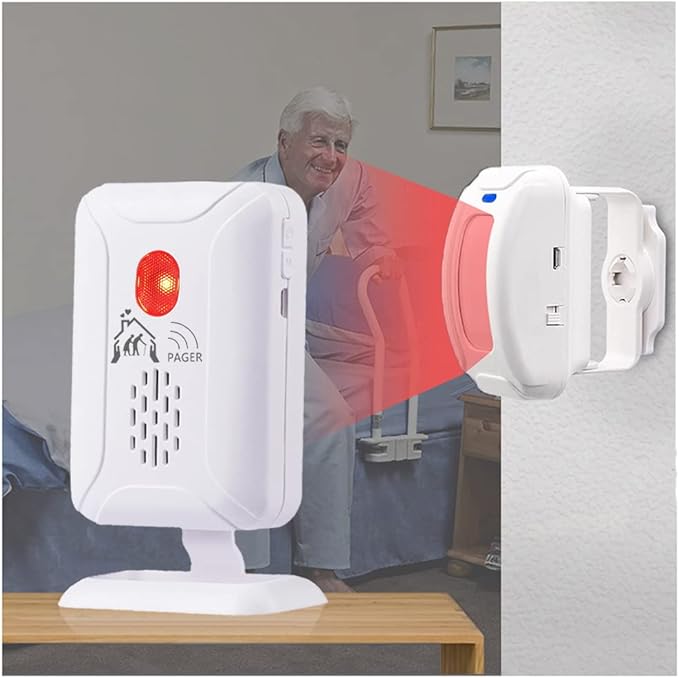
Moreover, infrared motion sensors function by detecting movement in a defined area. When an elderly individual begins to wander, these sensors can trigger an alarm or send notifications to caregivers’ devices. The instant alerts enable prompt assistance, significantly minimizing the risk of falls or accidents. Such systems can also be integrated with smart home technology, allowing remote monitoring and control. This combination of floor mats and infrared sensors optimizes the safety measures taken to prevent falls.
Incorporating both floor mats and infrared motion sensors into the home can furnish a safer living space for elderly parents. These technologies facilitate quicker responses to wandering incidents, ensuring that caregivers can respond to potential emergencies efficiently. Therefore, utilizing these innovations can immensely contribute to a more secure environment, enhancing the quality of life for elderly individuals who may require additional monitoring at night.
Wireless Infrared Systems
Wireless infrared systems stand out as an effective solution for monitoring elderly individuals who may wander at night. These alarms utilize infrared sensors to detect movement within a specified range. The primary advantage is their ability to cover larger areas without the need for extensive wiring, making installation straightforward and less invasive. Upon detecting movement, the system triggers an alarm, alerting caregivers immediately.
Why We Love It: The convenience of wireless infrared systems cannot be overstated. They allow for mobile monitoring and can often be linked to a smartphone app, offering real-time notifications. Moreover, these systems are adjustable, enabling caregivers to set different sensitivity levels based on the environment.
What to Watch Out For: While these alarms are beneficial, they may have limitations, particularly in detecting slower movements. Also, certain environmental factors, such as curtains or pets, can inadvertently trigger false alarms, which may cause unnecessary stress.
Floor Pressure Mats
Floor pressure mats are another excellent option for caregivers of elderly individuals prone to wandering at night. These mats are placed under rugs or in strategic locations within the home. When weight is applied, the mat sends an alert, signaling that someone has stepped onto it. This type of alarm is particularly effective for monitoring exits, ensuring that caregivers are notified if a parent tries to leave the premises.
Why We Love It: The unobtrusive nature of floor pressure mats is commendable. They blend seamlessly into home decor and are easy to use. Additionally, the tactile feedback provided by the mat adds an extra layer of security, as it detects actual movement rather than just sound.
What to Watch Out For: However, caregivers should consider that pressure mats can wear out over time, decreasing their effectiveness. They require regular maintenance to ensure the battery is functional, and careful placement is critical to avoid accidental alarms from foot traffic.
Padded Bed Sensor Pads
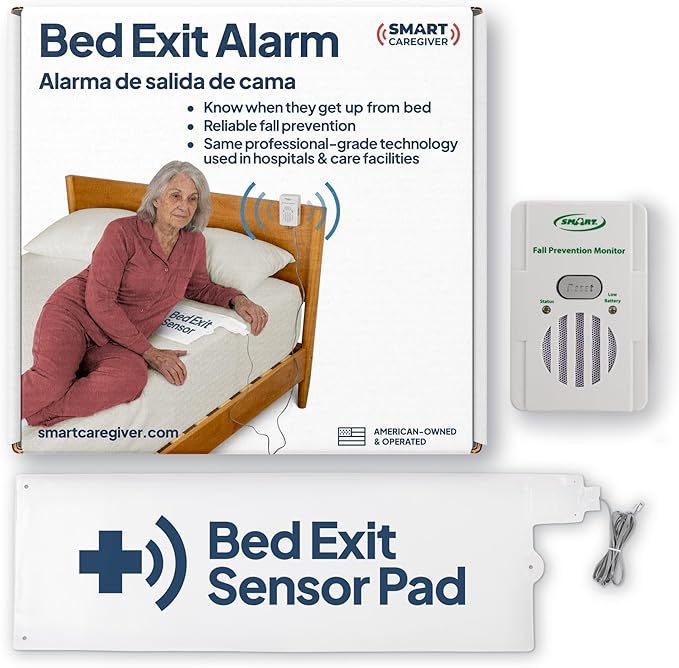
Padded bed sensor pads are a crucial safety device for monitoring elderly individuals who may get out of bed during the night. These pads are placed under the fitted sheet and can detect when an individual gets up, triggering an alarm to notify caregivers. The soft padding also ensures comfort, aiding restful sleep while providing security.
Why We Love It: One of the major attractions of padded bed sensor pads is their simplicity and comfort. They do not eliminate the need for assistance but provide peace of mind that a parent can be monitored without intrusive measures. Plus, many models come equipped with adjustable sensitivity settings to tailor notifications based on individual needs.
What to Watch Out For: As with other types of alarms, caregivers must be aware that these pads can occasionally trigger false alarms, particularly if the individual shifts in bed during the night. Proper calibration and placement are essential to enhance the reliability of padded bed sensor pads.
3-Step Setup Guide for Testing the System Before Use
Ensuring the functionality of a motion sensor alarm system is crucial for the safety of elderly parents who may wander at night. Here is a straightforward three-step setup guide to help caregivers effectively establish and test the system before it is put into operation.
Step 1: Installation and Configuration. Begin by selecting an appropriate location for the motion sensor. Ideally, it should cover potential exit points, such as doors or pathways commonly used by the elderly. Follow the manufacturer's instructions for mounting the sensor securely. Once installed, configure the settings based on your preferences, adjusting sensitivity to prevent false alarms while still detecting genuine movement.
Step 2: Testing the System. After installation, it is imperative to conduct a comprehensive test of the motion sensor alarm. Start by walking through the designated detection area to confirm that the system correctly identifies movement. Pay attention to the alarm's response time and ensure that alerts are sent properly to the connected monitoring devices. If the system includes smartphone alerts or an app, verify that notifications are received promptly. Adjust settings if the system is overly sensitive or unresponsive.
Step 3: Review and Finalize Settings. Once the testing phase is complete, take time to review all settings, ensuring they align with your needs and comfort levels. Consider running multiple tests at different times to account for potential environmental factors like lighting and obstructions. Familiarize elderly parents with the sound of the alarm and any actions they may need to take upon activation. By finalizing these settings, caregivers can be assured that the motion sensor alarm system will work effectively to protect their loved ones during the night.
© 2025. All rights reserved.